Fortis Green skip rules and fines under Haringey Council
Posted on 12/07/2026
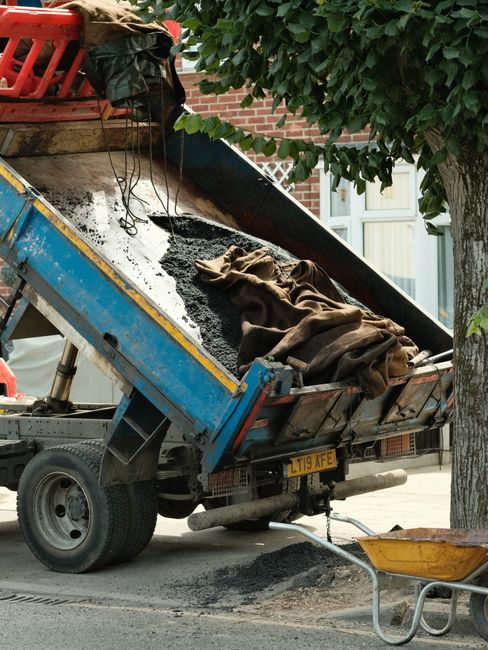
Fortis Green skip rules and fines under Haringey Council: what residents and movers need to know
If you are arranging a clearance, renovation, or house move in Fortis Green, the last thing you want is a skip problem turning into an avoidable fine. Fortis Green skip rules and fines under Haringey Council can feel a bit fiddly at first, especially if you are already juggling packing, parking, and a narrow London street. But once you understand the basics, it is actually quite manageable. The key is simple: place the skip correctly, use the right permissions, and do not assume the road outside your property is automatically fair game.
In this guide, we break down how skip use tends to work in Fortis Green, what usually causes enforcement issues, how fines can arise, and the practical steps that keep your move or clearance on track. We will also cover what to do if you need bulky item removal, where a skip may be less suitable than a van load, and how to stay calm when the council rules look more complicated than your actual job. To be fair, that happens a lot in North London.
Why Fortis Green skip rules and fines under Haringey Council Matters
Skip rules matter because a skip is not just a big metal box you park wherever there is space. In residential parts of Fortis Green, the road layout, traffic flow, resident parking controls, and access for emergency vehicles all come into play. If you place a skip without the proper permission, overload it, leave it out too long, or block the highway, you may face enforcement action. Sometimes the issue is a warning. Sometimes it is a penalty. Either way, it costs time and money.
People often only think about the skip itself, but the real risk usually comes from where it sits and how it is managed. A skip on private land is one thing. A skip on a public road is another. That distinction matters more than most people expect. And if you are trying to clear a flat, shift old furniture, or finish an end-of-tenancy move, it is very easy to focus on the obvious mess and miss the admin sitting underneath it.
For movers in Fortis Green, this becomes especially relevant in streets where parking is tight and access is already sensitive. A wrong move can complicate collections, upset neighbours, and make an already stressful day feel even longer. If your project is more about moving than throwing away waste, it may be smarter to combine proper decluttering with a removal plan. Articles such as smart decluttering before a move and clear, transparent removal quotes can help you reduce waste before you even think about hiring a skip.
Key point: the smaller the street and the busier the kerbside, the more important it is to check the practical rules before anything arrives. That is the bit that saves people from expensive surprises.
How Fortis Green skip rules and fines under Haringey Council Works
In plain English, skip-related compliance usually comes down to four things: permission, placement, safety, and waste control. If a skip is going on the road or pavement, it normally needs the right approval. If it sits on private property, that may avoid highway permission, but you still need to make sure access, neighbours, and the waste contractor's own terms are respected. Not every job needs the same setup, and that is where many people trip up.
Haringey Council enforcement tends to focus on the practical impact of the skip. Is it creating a hazard? Is it causing an obstruction? Is it being left in a place or for a duration that is not allowed? Is the waste inside appropriate for the container? Those are the questions that matter. You do not need to memorise every technical detail to stay compliant, but you do need a sensible plan.
It also helps to understand the difference between a skip and a man-and-van clearance. A skip is usually best if you expect ongoing waste generation over several days. A van service is better when you want everything removed in one go, especially if you are dealing with furniture, boxes, or mixed household items. If that sounds like your situation, browsing the available removal services overview can be a more practical first step than ordering a skip on autopilot.
Here is the basic flow many residents follow:
- Work out whether your waste will fit a skip or would be better handled by a removal service.
- Check whether the skip will sit on private land or a public road.
- If it is on the road, arrange the necessary permission before delivery.
- Place the skip so it does not block driveways, access routes, or sight lines.
- Keep the load within the skip's safe fill level.
- Remove it promptly once full or once the hire period ends.
That sounds straightforward, and mostly it is. The trouble starts when people treat skip hire as a last-minute fix. If you are already under pressure, the temptation is to go for the quickest option. Sometimes that works. Sometimes, well, the wheelie-bin-and-pray method backfires.
Key Benefits and Practical Advantages
Getting the rules right is not just about avoiding fines. It actually makes the whole project smoother. A compliant waste plan can save you from neighbour complaints, collection delays, and awkward back-and-forth with contractors. In a busy area like Fortis Green, that matters more than most people think.
The first benefit is predictability. When you know where a skip can go and how long it can stay there, you can line up loading, labour, and any moving day timing with less drama. The second is safety. Proper placement reduces the chance of blocked pavements, slips, and accidental damage to vehicles or property. The third is cost control. A fine or extra permit issue can quickly be more expensive than choosing the right disposal method in the first place.
There is also a quieter benefit: peace of mind. You are less likely to get that sinking feeling when you hear a lorry outside and realise the skip is in the wrong place. Truth be told, that feeling arrives fast and it is not pleasant.
If your project involves furniture, boxed items, or a last-minute move, consider combining waste reduction with a proper removal approach. Useful local resources like bulky furniture pickup options in Fortis Green, furniture removals in Fortis Green, and man with a van in Fortis Green can sometimes be the better fit than a skip, especially for reusable household items.
- Less risk of roadside enforcement problems
- Cleaner access for neighbours and deliveries
- Faster turnaround for moving day
- Better control over mixed waste and salvageable items
- Lower chance of overfilling or unsafe loading
Who This Is For and When It Makes Sense
This topic matters to a fairly broad group. If you are a tenant clearing out a flat, a homeowner emptying a loft, a landlord preparing a property, or a family managing a renovation, skip rules can become relevant very quickly. It is also relevant if you are moving from a house or flat and need to dispose of broken furniture, packaging, old carpets, or general clutter.
For students and short-term renters in particular, the main issue is timing. You may only have a narrow move-out window, a lift booking, and a street that never seems to have enough parking. In those cases, a skip may not be the most elegant answer. Sometimes a same-day removal solution is much more practical, especially if you are pressed for time. If that sounds familiar, same-day removals for urgent tenancy deadlines is the sort of support that can take the edge off a chaotic week.
It also makes sense for people clearing bulky goods that are too awkward to drag into a skip efficiently. A wardrobe, a mattress, a sofa, or a piano is often a better candidate for specialist removal. These items are simply not great candidates for a one-size-fits-all waste box. For heavier or unusual items, see also piano removals in Fortis Green and why professional piano moving is worth considering.
So, when does a skip make sense? Usually when the waste is mixed, bulky, and not worth sorting item by item, and you have a legal place for the container. When does it make less sense? When the street is tight, the items are reusable, or the project timeline is short. Simple really.
Step-by-Step Guidance
If you want to stay on the safe side, treat the whole process as a sequence rather than a last-minute purchase. That is the easiest way to avoid a silly mistake on the day.
- List what needs clearing. Separate rubbish, reusable items, and bulky furniture. You may realise you need less skip space than expected.
- Check the location. Decide whether the skip would go on private land or on a road. That decision changes the permission question immediately.
- Review access. Look at turning space, loading access, street width, and any parking pressure. Fortis Green streets can be awkward at busy times.
- Choose the disposal method. Skip, van removal, mixed clearance, or a combination. If you are unsure, start with the easiest route for the heaviest items.
- Arrange permission if needed. Do not assume it is automatic. If the skip is on public highway, this is the bit that protects you from trouble.
- Plan the loading order. Put flat, heavy items at the bottom. Keep the load level and safe.
- Set a removal deadline. The longer clutter sits there, the more likely something gets missed or overfilled.
- Confirm the handover. Make sure the container is collected, the site is clear, and nothing remains that could attract a penalty or complaint.
If your clear-out is part of a house move, proper packing makes the whole thing far easier. A good next read is smart packing techniques for house moves. And if you are trying to reduce what goes into the skip in the first place, an end-of-lease clearance checklist can help you spot what must be kept, donated, or removed separately.
Expert Tips for Better Results
In practice, the best skip strategy is often the one that creates the least friction with the street around it. Here are the habits that make a real difference.
- Measure before you order. A rough guess on size is where people often go wrong. If in doubt, stage the waste first.
- Avoid peak kerbside pressure. Early morning arrivals and late-afternoon collections can be easier than busy mid-day windows, depending on the street.
- Keep reusable items out of the skip. If something can be resold, donated, or moved to storage, do that first.
- Use protection for floors and shared areas. This is especially helpful in flats and maisonettes where stairwells matter.
- Do not mix prohibited materials. Waste companies have rules of their own, and councils do not love messes that could have been avoided.
One small but useful tip: if you are dealing with furniture, mattresses, or fragile items, sort them before the main clearance starts. It sounds obvious. Yet people still wait until the skip is half full and then try to "just squeeze in" a sofa. Usually that means more lifting, more swearing under the breath, and less room than expected.
For awkward or heavyweight items, it is often safer to use a specialist mover. Our own experience of tight London access tells us that the cheapest solution on paper is not always the cheapest by the end of the day. If you need help moving things rather than simply dumping them, house removals in Fortis Green and man and van support may be the cleaner fit.

Common Mistakes to Avoid
Most fines and headaches come from a small set of recurring errors. The good news is that they are easy to avoid once you know what to watch for.
- Putting a skip on the road without checking permission. This is the big one. Never assume.
- Blocking driveways or access points. Even a slightly awkward placement can become a complaint if it affects daily use.
- Overfilling the skip. Loads that sit too high are unsafe and can be rejected or flagged.
- Leaving it out longer than agreed. A forgotten skip is not a harmless detail; it can become a nuisance quickly.
- Using the skip for the wrong waste. Mixed waste, hazardous items, or prohibited materials can trigger extra charges or refusal.
Another easy mistake is ordering the skip before thinking through the removal sequence. If you have reusable furniture, packing waste, and a few heavy items, you may need a blend of disposal methods, not a single container. For example, long-haul sofa storage advice can be more useful than immediate disposal if you are between homes and not quite ready to part with everything.
And yes, people do forget the weather. Rain turns cardboard to pulp, makes loading miserable, and leaves everything smelling vaguely damp by three in the afternoon. London, eh?
Tools, Resources and Recommendations
You do not need fancy equipment to manage a compliant skip setup, but a few practical tools make life easier. A tape measure, a simple checklist, gloves, a torch for early or late inspections, and a phone camera for site photos can all help. Photos are particularly handy if you need to confirm where a skip was placed or document the site before and after collection.
If your project includes moving as well as clearing, it is worth thinking in systems. Packing materials, storage, and transport all affect how much waste you actually generate. Good supporting pages such as packing and boxes in Fortis Green, storage in Fortis Green, and recycling and sustainability are useful when you want to reduce unnecessary disposal.
For moving homes, the route and access details around the local area can also matter. Articles like the Fortis Green Road moving guide, N10 flat-above-shop moving tips, busy streets checklist for Muswell Hill Broadway, and route and landmark access around Alexandra Palace are all helpful if you are planning a move in a tight urban patch.
Practical recommendation: if your load is mostly reusable household goods, use removal services first and a skip only for the real waste. It is usually cleaner, cheaper, and less of a faff.
Law, Compliance, Standards, or Best Practice
Skip use in London sits at the intersection of local permission, highway safety, and responsible waste handling. The exact requirements can vary by location, road classification, and current council practice, so it is sensible to treat this as an area where caution pays off. If you are unsure about any point, do not rely on guesswork or neighbour advice. People mean well, but they are often repeating half-remembered rules.
Best practice usually includes the following principles:
- Do not place a skip on public highway without the appropriate permission.
- Make sure it does not obstruct traffic, pedestrian movement, or access to homes and businesses.
- Keep loading within safe limits and avoid unstable stacks.
- Use a licensed waste contractor and handle waste responsibly.
- Plan collection promptly so the container does not sit around longer than necessary.
There is also a broader duty of care around waste. In practical terms, that means you should think about where the material ends up and whether the contractor is operating properly. If your project involves safe handling and on-site precautions, it can help to review health and safety guidance and insurance and safety information before you commit to a disposal plan.
For some readers, the legal angle is exactly why a skip is not the first choice. If the road situation looks awkward or the timing is tight, a removal vehicle may be the neater option, because it avoids leaving an object in place for days. That does not make a skip wrong. It just means the right tool depends on the job.
Options, Methods, or Comparison Table
When people compare waste removal choices in Fortis Green, the decision usually comes down to access, timing, and what kind of items they need to move. Here is a straightforward comparison.
| Option | Best for | Pros | Watch-outs |
|---|---|---|---|
| Road or pavement skip | Ongoing clear-outs, mixed rubbish, renovation waste | Convenient if you are generating waste over several days | Permission may be needed, plus placement and overfill risks |
| Private-land skip | Driveways, forecourts, private access areas | Less highway hassle if space is available | Access can still be tight; size must suit the property |
| Man and van clearance | Furniture, boxes, mixed household items, quick moves | Fast, flexible, and often better for bulky items | Requires a loading plan and enough time to sort items |
| Self haul to recycling or disposal point | Small loads and highly organised households | Can be cost-effective for a few items | Time-consuming, and not ideal for heavy or awkward loads |
If your load includes a lot of furniture, a skip may not be the best use of money or space. The smoother route is often a proper removal plan with sorting, loading, and disposal handled as one process. For that sort of job, removal services in Fortis Green and general removals support are usually the more flexible options.
Case Study or Real-World Example
A fairly typical local scenario goes like this. A couple in Fortis Green were moving out of a first-floor flat, clearing two wardrobes, a dismantled bed, boxes of old paperwork, and a pile of broken household bits from the cupboard under the stairs. They initially thought a skip would be easiest. Then they checked the street, saw how tight the parking was, and realised a roadside skip would likely create more stress than it solved.
Instead, they split the job into two parts. Reusable furniture was collected for transport, packaging and general clutter were sorted, and only the genuine waste was removed separately. The result? Less mess outside, no need to leave a container sitting there for days, and much less arguing about who had forgotten to label which box. It was not glamorous, but it worked.
That sort of decision is common in the area. If you are close to a busy road, on a corner, or dealing with access that is already annoying at the best of times, a skip can become the hard way to do an ordinary job. A van-based clearance often feels more human, more immediate, and frankly less likely to upset the neighbours over the morning rush.
For readers facing a same-day deadline, it can help to compare that route with same-day removals in Fortis Green. Sometimes the quickest legal solution is also the least messy one.
Practical Checklist
Use this before you book anything. It keeps things grounded.
- Have I listed exactly what needs removing?
- Do I know whether the container will be on private land or public road?
- Have I checked if access is tight, one-way, or likely to be blocked at busy times?
- Is a skip actually the best option for the type of waste I have?
- Have I arranged any permission or contractor confirmation needed before delivery?
- Do I know what cannot go into the skip?
- Have I planned who will load the waste and when?
- Is there a collection date or removal deadline in writing?
- Do I have a backup plan if the road turns out to be less suitable than expected?
- Would a removal van, storage solution, or recycling plan be better for part of the load?
And one more thing: if the project is tied to moving out, give yourself a little breathing room. Packing takes longer than people think. Always. A midnight scramble is not a strategy, despite how many of us pretend otherwise.
Conclusion
Fortis Green skip rules and fines under Haringey Council are really about good planning, sensible placement, and choosing the right waste method for the street you are working in. If you treat the skip as part of the wider move or clearance, rather than the whole solution, you are far less likely to run into trouble.
The main idea is simple: check the access, think about the surface you are using, do not overload the container, and avoid assuming that roadside placement is automatically fine. If you are dealing with furniture, boxes, or a time-sensitive move, it may be worth exploring a van-based removal instead of putting everything into a skip and hoping for the best. That little bit of planning can save you money, awkward conversations, and a lot of unnecessary hassle.
If you are still weighing up your options, use the guides above to trim waste, organise your items, and choose the disposal method that actually suits your street, your timing, and your budget. A calm, compliant move is still possible. You just need the right sequence.
Get a free quote today and see how much you can save.