Man with van in Fortis Green for practical home and business moves

Our man with van in Fortis Green is set up for straightforward removals, single-item transport and smaller moves that need careful handling rather than a large lorry. The service suits customers who want a sensible way to move furniture, boxes, appliances or mixed household goods with attention to access, loading order and protection in transit. It is a flexible option for flats, terraced homes, shared properties and business addresses where space and timing often matter as much as vehicle size.
We handle man and van removals with an emphasis on practical planning. That includes looking at what needs moving, how it is packed, whether anything needs dismantling and the best order for loading. If you are comparing different options, our man with van service explains the core approach, while the wider removal services page gives a fuller view of the kind of transport work we can support.
For customers who are moving a whole household or only a few bulky pieces, the value of a well-organised van service is often in avoiding unnecessary handling. A single trip may be enough for some jobs, while others benefit from two runs, a packing plan or a careful mix of boxes and furniture in the vehicle. If you are ready to discuss a move, the next step is simple: tell us what needs moving and where it needs to go.
House moves and smaller domestic removals
Domestic moves are often more varied than they first appear. Some customers need help with a one-bedroom flat, others want selected furniture taken to storage or a different address, and some need a careful transport plan for a full house move without the scale of a full removals crew. Our house-moving work focuses on safe lifting, sensible vehicle loading and keeping items grouped so that unloading is faster and easier at the destination. Where stairs, tight hallways or limited parking are part of the job, careful sequencing becomes especially important.
Different property types create different moving patterns. A top-floor flat may need a lighter load split into stages, while a family home may involve beds, wardrobes, dining furniture and a range of boxed contents. We can also support moves that sit between categories, such as a partial house clearance, a student move or a delivery of newly purchased items that are too large for a standard car. For a fuller domestic overview, see the home moves page, and for a broader property-removal service, the house removals page.
When you are organising a domestic move, it helps to separate what must travel together from what can be moved separately. Bulky items, delicate pieces and loose contents each need a slightly different approach, especially if you want to reduce the amount of handling. A clear list of furniture, a note about access at both addresses and any items that need disassembly all make it easier to shape the right vehicle plan. Good preparation is not about making the job perfect; it is about making the move workable and efficient.
Office and commercial transport
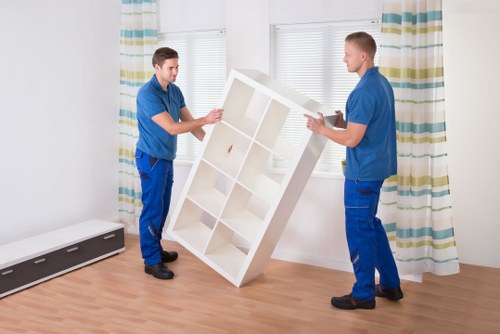
Commercial work with a man and van can be a useful option when a business needs to move stock, furniture, archive material or equipment without arranging a full-scale office relocation. It can also suit small workplaces that are changing rooms, clearing a storage area or transferring selected items to another site. Our focus is on careful handling and efficient routing so that desks, chairs, filing, boxed materials and practical equipment are moved in a way that fits the day’s schedule.
For businesses, the main concern is often continuity. Items may need to be taken out, transported and put back into use with minimal disruption, so the order of loading and unloading matters. We can support simple office shifts, branch-to-branch transfers and lighter business moves where the key requirement is dependable transport rather than a complex multi-vehicle operation. If you need a dedicated workplace page, take a look at commercial moves and the more specific office removals section.
Useful office moves usually start with an accurate picture of volume and access. That may include the number of floors involved, whether furniture can be carried through lifts, and whether fragile technology or paperwork needs to be kept apart from general items. When a business wants to reduce handling, packing and clear labelling are often as valuable as the van itself. A compact move still benefits from structure, because orderly loading makes unpacking and setup much simpler at the other end.
Furniture pick-ups, single items and grouped deliveries
Not every job is a full removal. Some customers simply need one item collected from a shop, warehouse, marketplace or private address and delivered safely elsewhere. Others want several pieces picked up together, especially when timing or vehicle space makes a regular car impractical. Our furniture pick-up work is suited to awkward, heavy or sizeable items that need secure lifting, protection from scuffs and a clear loading plan before transport begins.
Typical jobs can include beds, wardrobes, sofas, tables, cabinets and boxed accessories, along with smaller supporting items that travel best in the same trip. The important part is not only the size of the object, but also how it is accessed and whether it should be wrapped or separated from other goods. For more detail on this kind of transport, you can view the furniture pick-up page or compare it with the broader moving van option, which covers van-based transport more generally.
Grouped deliveries are often easiest when they are treated as one load rather than a collection of random pieces. That means deciding which items travel upright, which need padding and which should be loaded first so that nothing is trapped underneath. If an item has removable parts, such as shelves, doors or legs, separating them beforehand may save time and reduce strain during loading. It is a simple process, but it makes a real difference when the vehicle needs to work hard in limited space.
Van size, loading style and route planning

The right van for a move depends on more than how much can physically fit. Access, parking, the shape of the furniture and the number of stops all affect the practical choice. A smaller load may travel perfectly well in a compact vehicle, while a longer domestic move may need a larger, more flexible layout to avoid stacking problems. Our van-based work is intended to keep transport sensible and efficient rather than forcing everything into one rigid pattern.
Route planning matters too, especially when there are multiple addresses or items collected from different places. A straightforward local move may need little more than direct driving, but a more involved job can benefit from a clear sequence that avoids unnecessary backtracking. If your move involves only transport and you want to compare wording, the pages for man with a van and moving van describe adjacent service styles that can suit different job sizes and load types.
Below is a simple way to think about the service before you request a quotation:
- what is being moved and how fragile it is;
- how many access points or stops are involved;
- whether anything needs dismantling or protective wrapping;
- how much help is needed with lifting and placement;
- whether the move is one-off, repeated or linked to storage.
Removal support for mixed loads and flexible schedules
Many customers do not fit neatly into a single category. They may have a few pieces of furniture to move, several boxes of personal items, some equipment to deliver and a collection of goods going into storage. Flexible removal support is useful in those cases because it can combine the simplicity of van transport with enough structure to keep mixed loads organised. The aim is to avoid over-specifying the job while still making sure the vehicle, loading order and handling approach suit the items.
For this kind of work, the main decisions often involve timing, access and the mix of goods. A move can be arranged around collection from one property and delivery to another, or around staged pickup from different points. If you are comparing service pages, our removals page gives a general overview, while man and van removals focuses on smaller, highly adaptable transport jobs. Both can be useful reference points when you want something practical rather than overcomplicated.
Customers usually benefit from separating the move into clear categories: furniture, boxed contents, fragile pieces and items going into storage. That does not mean the job needs a long checklist; it simply keeps communication precise. If there is a lift, a narrow stairwell or a limited loading bay, mention it early so the arrangement is realistic. The smoother the loading plan, the less time is spent making decisions on the spot, and the easier the whole move becomes.
About Fortis Green
Fortis Green is a residential district in North London associated with Muswell Hill and the wider London Borough of Haringey. The area takes its name from an old route linking Muswell Hill with East Finchley, and its character has long been shaped by suburban development rather than dense central-city building. Much of the local landscape reflects the late nineteenth and early twentieth centuries, when surrounding farmland gave way to streets of houses, schools and neighbourhood shops. The setting sits close to the western edge of Haringey’s built-up area and remains tied to the higher ground around Muswell Hill, which gives parts of the district a quieter, more elevated feel than the busier routes in the valleys below. Local landmarks and amenities include the green spaces around nearby Highgate Wood and Coldfall Wood, both of which contribute to the district’s leafy reputation. The area is also connected to a wider pattern of everyday north London life, with bus routes, local retail parades and access toward East Finchley, Muswell Hill and Highgate shaping how residents move through the neighbourhood. Its architecture is varied, with Victorian and Edwardian housing sitting alongside later infill development, and that mix gives the district a character that is recognisably suburban while still firmly part of inner London’s social and historical fabric.
Pricing factors and what affects the quotation

Quotes for van-based removals are usually shaped by practical factors rather than fixed assumptions. The main things that influence the price are the size of the load, the time needed for access and lifting, the number of stops and the distance between them. If an item needs special handling, careful wrapping or disassembly, that may also affect the overall arrangement. A clear quotation process works best when the job is described as it really is, not as a rough guess.
There is no need to overstate the move in order to get attention from a provider. Instead, a direct description usually gives the most useful result: what is being moved, from where, to where, and whether there are any access issues or timing constraints. If you want to compare related pages before getting in touch, the pricing and quotes page is the natural place to start, and the contact us page is there when you are ready to request a quotation.
Providing a little clarity upfront helps the conversation stay focused. Mention anything unusually heavy, awkward or fragile, plus whether furniture must be carried up or down stairs, through a narrow entrance or across a courtyard. If the move includes both large and small items, it may help to note which are essential and which can travel in a second group. The more accurately the job is described, the easier it is to prepare a sensible and fair response.
Packing, protection and the practical side of moving
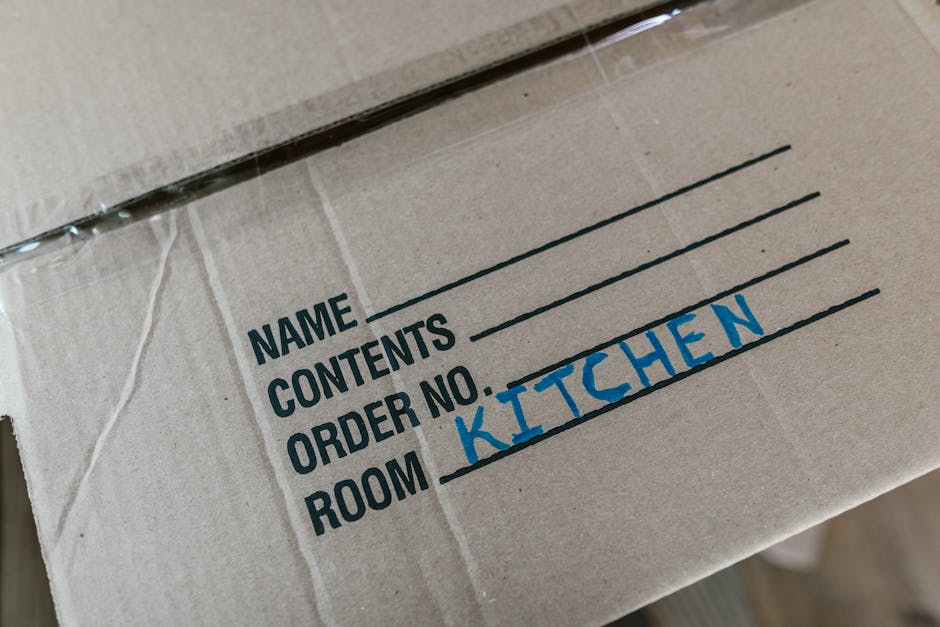
Packing support can be just as important as transport itself, especially when a move includes breakables, mixed household goods or items that do not stack neatly. Good packing reduces movement inside the vehicle and helps separate heavy objects from delicate ones. In many jobs, the difference between a smooth unload and a difficult one comes down to how well the items were prepared before they left the property.
Our service can sit alongside packing and unpacking where needed, particularly for jobs that benefit from organised boxes, labelled rooms or grouped contents. If you want a fuller look at that support, the packing and unpacking services page explains the role of preparation in a move, while the house movers page gives a broader domestic perspective. These pages are helpful when the move involves more than simple van transport.
Good packing is not only about boxes. It also includes padding, wrapping and deciding which items should be isolated from pressure or vibration. For some jobs, blankets or other protective materials are appropriate for furniture surfaces and corners. For others, the most useful step is removing loose contents, securing doors or drawers and making sure each item is stable enough to carry safely. Protection is most effective when it is matched to the item, not added in a one-size-fits-all way.
Insurance, safety and responsible handling

Careful moving depends on safe handling as much as it does on vehicle space. Items need to be lifted in a controlled way, carried with clear paths and arranged so that the load remains steady while travelling. Safety matters at every stage: at the property, at the kerbside, in the van and during unloading. That is why sensible route planning and orderly placement are part of the service, not an extra detail added at the end.
If you want to read more about how moving is approached from a safety perspective, the insurance and safety page and the health and safety policy page provide useful background. They sit alongside our approach to careful handling and responsible transport. For customers who want reassurance about how items are treated in transit, those pages give context to the practical work described elsewhere on this site.
Some moves involve tighter staircases, heavier furniture or awkward angles, and these are the situations where patience and planning are most valuable. The right approach is to slow down enough to protect the item without creating unnecessary delay. That balance is at the heart of a dependable man with van service. If you are preparing a move in Fortis Green, start with the items that matter most, then build the rest of the arrangement around them.
Request a quotation for your Fortis Green move
When you are ready to arrange transport, the simplest way to request a quotation is to describe the move in plain terms: what needs collecting, where it is going, and whether there are any stairs, narrow entrances, parking limits or fragile items to consider. That information is enough to begin shaping a suitable response without turning the process into a long administrative exercise. If the job is straightforward, a concise summary is often the most effective starting point.
We welcome enquiries for domestic and commercial jobs, single-item collections and more involved van-based removals. If you need to compare pages first, you may also find the removal company and removal companies pages useful for general context. Once you are ready, send the details and ask for a quotation so the move can be planned around the actual load rather than a vague estimate.
For a practical response, it helps to mention any timing needs, access restrictions or item-specific concerns in the same message. That way the arrangement can focus on the real job from the outset. Tell us what needs moving, where it needs to go and when you would like it to happen. If you are comparing transport options in Fortis Green, this is the point to request a quotation and move forward with confidence.