Muswell Hill Broadway removals: busy streets checklist
Posted on 14/05/2026
Muswell Hill Broadway Removals: Busy Streets Checklist for a Smoother Moving Day
Moving in Muswell Hill can be a bit of a balancing act. One minute you are trying to protect the hallway walls, the next you are watching a bus edge past, a cyclist weave through, and a delivery van stop in exactly the wrong place. That is why a Muswell Hill Broadway removals: busy streets checklist is so useful. It gives you a calm, practical way to deal with the small things that often cause the big delays.
Whether you are leaving a flat above a shop, moving into a family home, or planning a same-day move with limited parking, the details matter. Timing, access, packing, neighbour awareness, and van positioning all play a part. In this guide, we will walk through what to check, how to prepare, and where people most often trip up. A little planning goes a long way. Truth be told, on a busy road, it can save your back, your time, and a fair bit of stress too.
Why Muswell Hill Broadway Removals: Busy Streets Checklist Matters
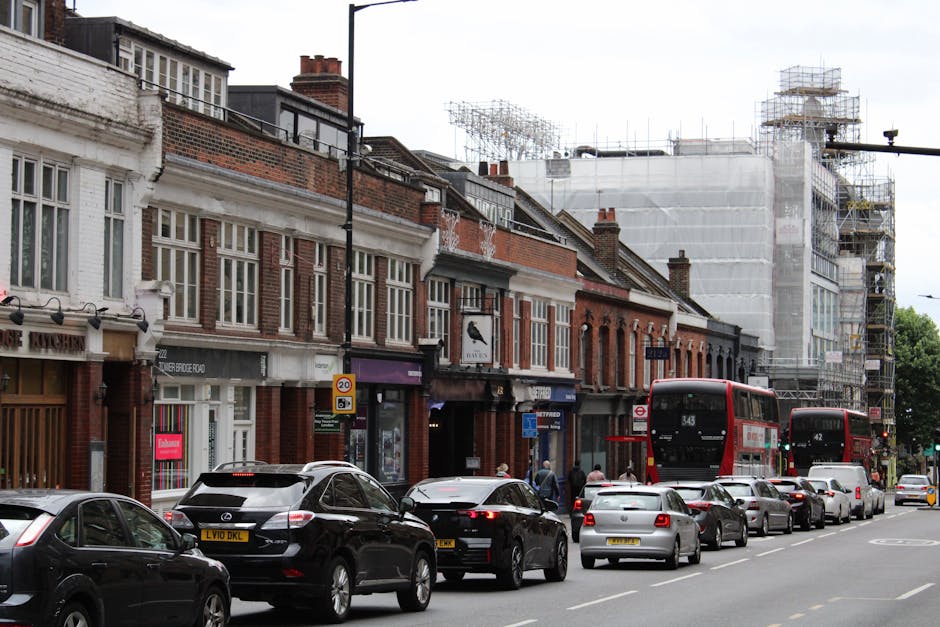
Muswell Hill Broadway is lively, and that is part of its charm. It is also exactly why removals there can feel more complicated than a straightforward residential move on a quiet cul-de-sac. A busy high street usually means tighter stopping options, more foot traffic, more vehicles to work around, and less room for improvisation. If you are moving from an upper-floor flat or a property with a narrow frontage, those pressures stack up quickly.
A checklist helps because it turns a hectic, moving-day blur into a sequence of decisions. You are not trying to think of everything at once. You are checking access, parking, item order, lift availability, stair clearance, and whether the van can safely load without blocking the road for too long. That sounds simple. It is simple. And yet, in the middle of a move, simple things get missed all the time.
Busy-street moving also creates a knock-on effect. If the van cannot stop near the entrance, moving heavier items takes longer. If the route from flat to van is blocked, packing efficiency drops. If someone has not measured the sofa, the bed frame, or the fridge doorway, you may end up with awkward turning angles that waste time and increase risk. This is why experienced movers treat local road conditions as part of the job, not an afterthought.
If you are still in the planning stage, it can help to review broader moving advice too, such as secrets to a smooth, stress-free house move and practical packing techniques that keep the move efficient. Those ideas become even more valuable when the street itself is working against you a little.
How Muswell Hill Broadway Removals: Busy Streets Checklist Works
The checklist works by splitting the move into manageable stages: before the day, on the morning, during loading, and after the last box leaves. That sequence matters because most problems on a busy street happen before the first item is even lifted. The key is to think like a mover and a road user at the same time.
Start with the property itself. Do you have a front step, narrow hallway, awkward turn, or shared entrance? Is there a lift, and if so, do you know its size and booking rules? Then look outside. Is there space for a van to wait nearby? Will the driver need to use hazard lights and keep the stop short? Can you safely carry boxes without crossing a busy pavement multiple times? These are the kinds of questions that shape the whole day.
A good local removals plan should also consider the type of service you need. For a smaller move, a man and van service may be enough. For larger households, you may need full house removals support or a more specialised option such as flat removals. In a busy area, choosing the right type of service is not just convenient; it can make the whole route from door to van much more workable.
In practical terms, the checklist should keep you focused on three questions: what needs moving, where the vehicle can stop, and how quickly each item can be handled without creating a bottleneck. That is the heart of it.
Key Benefits and Practical Advantages
There are a few obvious benefits, and a few that only become obvious after the move. The first is less stress. The second is less wasted time. The third is better protection for your belongings and the property itself. On a busy street, those three benefits are connected.
- Faster loading and unloading: When access is planned, boxes and furniture move in a cleaner flow.
- Less chance of damage: Fewer awkward carries means fewer knocks on bannisters, doors, and paintwork.
- Better road awareness: A clear stop point helps avoid blocking traffic or causing confusion for pedestrians.
- Improved team coordination: Everyone knows where to stand, what goes first, and which route to take.
- Lower mental load: You are not making decisions in the middle of lifting a mattress. Not ideal, that.
There is also a financial advantage, even if you do not see it on a quote. Time lost on the day often turns into extra labour, missed slots, or the need for a second trip. A tidy plan may not be glamorous, but it is usually cheaper in the long run. If you want to understand pricing factors in more detail, the page on pricing and quotes is a sensible place to compare expectations before you book anything.
Busy-street planning also gives you more control over service quality. If you know your access is tricky, you can mention that early and choose a team that is used to local conditions. That tends to lead to better timing, better vehicle positioning, and fewer surprises. And fewer surprises is always nice on moving day, isn't it?
Who This Is For and When It Makes Sense
This checklist is useful for anyone moving in or around Muswell Hill Broadway, but it is especially helpful for people dealing with real-world access issues. If your move involves narrow pavements, busy traffic, flats above shops, or a property with limited loading space, you are the exact audience for it.
It makes sense for:
- tenants leaving or entering a flat on a busy road
- homeowners moving family furniture through a tight frontage
- students who need a fast and practical local move
- people who need a same-day or short-notice solution
- anyone moving a fragile, oversized, or awkward item
If you are moving light bags only, you may not need much more than some boxes and a bit of coordination. But as soon as you have a sofa, bed frame, piano, or large wardrobe in the mix, the street matters. It is also worth thinking about whether you need temporary storage options if the new property is not quite ready yet. That can remove pressure from the schedule and make the day feel far less crowded.
A quick real-world example: a couple moving out of a first-floor flat above a busy parade of shops may think the main challenge is packing. Often, it is not. The real issue is the ten-minute loading window they never planned for. Once that window closes, everything slows down. So yes, this checklist is for planning, but it is also for protecting your timing.
Step-by-Step Guidance
Here is a practical way to approach a busy-street move without losing the plot. No drama. Just a proper sequence.
- Confirm your moving time early. Try to choose a slot that avoids the busiest school-run or commuter periods where possible.
- Check parking and stopping access. Look at where a removal van can pause safely near your entrance. If parking is tight, note the nearest workable spot and share it in advance.
- Measure the awkward bits. Doorways, stair turns, lift dimensions, and long pieces like mattresses or sofas deserve attention. The difference between "it should fit" and "it definitely fits" is a tape measure.
- Sort items by loading priority. Heavy, bulky, and essential items should be easy to reach. That avoids digging through a mountain of boxes later.
- Prepare the path indoors. Clear shoes, mats, loose cables, and small furniture from hallways. If you need a reminder on the decluttering side, smart decluttering before a move can make the entire process less chaotic.
- Protect furniture properly. Wrap sofas, tables, and beds to reduce scratches. If you have a large settee or sectional, the guide on sofa protection and long-haul storage is also useful for planning safe handling.
- Label everything clearly. Mark boxes by room and priority. A box labelled "kitchen essentials" is far more useful than one labelled "misc".
- Confirm the load order with the team. The best movers will usually want heavier items first or a sequence that suits the route to the van.
- Keep a small essentials bag with you. Documents, chargers, keys, medication, snacks, and a bottle of water. Small thing, big relief.
- Do a final walk-through. Check cupboards, loft spaces, outside areas, and under beds before leaving. People forget the oddest things there, honestly.
When lifting is involved, use proper technique rather than pure enthusiasm. That is where advice like kinetic lifting basics and safe heavy-object handling becomes genuinely helpful. It is not about looking impressive. It is about keeping your back in one piece.
Expert Tips for Better Results
Once the basics are covered, a few extra habits can make a big difference on Muswell Hill Broadway. These are the kinds of details experienced removal teams tend to care about because they know where the friction points live.
First, think in bottlenecks. The hallway, the front door, the pavement, and the van are all potential pinch points. If any one of them gets congested, the whole move slows down. Keep the route as open as possible and avoid stacking boxes where they force extra turns.
Second, keep fragile items separate from general load. Glass, mirrors, lamps, and anything awkwardly shaped should not be buried under soft bags. One cracked frame can ruin an otherwise good day. If you are moving a piano, that is in a different league altogether, and professional help really is the sensible route. There is a reason the guide on piano removals exists.
Third, use the street's rhythm to your advantage. Early morning may be calmer for traffic, while mid-afternoon could be easier for building access. It depends on the exact address, of course, but the point is to work with the street rather than against it. A quiet fifteen-minute window can sometimes be more valuable than a longer slot later in the day.
Fourth, say the awkward thing out loud. If the sofa might need to tilt, if the lift is small, if there is no place to stand for long, say it. It is much easier to plan around awkwardness than to discover it while carrying a wardrobe down stairs. That little conversation up front saves a lot of muttering later.
Fifth, keep communication short and clear. On the day, a good "pause here", "that's the heavy one", or "boxes first, furniture after" can keep everything moving. It sounds simple because it is.
If you are working with a team, it helps to use a company that can explain the full service range clearly. A page like services overview gives you a better picture of what is available, while removal services can help you decide what level of help you really need.
Common Mistakes to Avoid
Busy-street moves go wrong in predictable ways. Most of them are avoidable, which is the good news. The bad news is that they are often only obvious after something has slowed the day down.
- Assuming parking will "just work". On a road like Muswell Hill Broadway, assumptions can be expensive in time.
- Leaving packaging until the last minute. If boxes are half-full or weak, they slow down the move and raise the risk of damage.
- Underestimating staircases and door widths. A room might look easy, but a single tight turn can change the whole plan.
- Forgetting to notify neighbours or building management. A polite heads-up can prevent friction, especially if shared space is involved.
- Overpacking boxes. Heavy overstuffed boxes are miserable to carry, full stop.
- Not protecting floors or door frames. A quick layer of care can save repair headaches later.
- Trying to move everything at once. That usually leads to clutter, confusion, and somebody holding a box in the wrong doorway. Not ideal.
Another common mistake is treating the move as if it were happening in a quiet suburban side street. Muswell Hill Broadway is busier than that. If you prepare as though space will be limited, because it probably will be, the day tends to run more smoothly. To be fair, that one mindset shift solves half the problem.
Tools, Resources and Recommendations
You do not need specialist gear for every move, but the right basics make a big difference. A simple kit can save you from a lot of scrambling.
| Item | Why it helps | Best used for |
|---|---|---|
| Sturdy moving boxes | Keep items organised and easier to stack | Books, kitchenware, mixed household items |
| Bubble wrap or paper | Reduces impact and surface damage | Glass, decor, lamps, frames |
| Furniture blankets | Protects wood, upholstery, and painted surfaces | Sofas, tables, wardrobes |
| Ratchet straps or securing ties | Helps stabilise the load in the van | Large furniture and stacked boxes |
| Marker pens and labels | Makes unpacking faster and clearer | All packed items |
| Trolley or sack truck | Reduces carrying strain on longer routes | Heavier boxes, appliances, bulkier items |
For many households, a strong packing plan is just as useful as the physical tools. If you need help getting the basics right, packing and boxes support can give you a more practical starting point. And if you are moving an awkward single item or a sofa, furniture removals may be a better fit than trying to DIY the whole thing.
If the move is particularly urgent, a same-day removals service can be the right call, but only if the access details are shared clearly from the outset. Urgent does not mean unplanned. In fact, the opposite.
Law, Compliance, Standards, or Best Practice
For removals in a busy London area, common-sense compliance matters more than dramatic legal theory. The main goal is to move safely, respect public space, and avoid causing unnecessary disruption. Depending on the road, local parking conditions, and the building setup, you may need to think carefully about where a van can stop and for how long.
It is sensible to check local parking rules and any property-specific arrangements in advance. If you live in a managed block, ask about loading bays, lift bookings, access times, and any move-in or move-out procedures. If the frontage is shared or if you are dealing with a narrow pavement, you should also make sure pedestrians are not blocked or forced into unsafe detours.
From a safety perspective, good practice usually includes:
- keeping walkways clear
- using suitable lifting methods for heavy items
- protecting floors, walls, and door frames
- securing items properly in the vehicle
- being careful around traffic, kerbs, and uneven surfaces
If you want extra reassurance about safety procedures, the pages on insurance and safety and health and safety policy are worth a look. They help set expectations in a clear, no-nonsense way.
There is also a sustainability angle. If you are decluttering as part of the move, reusing, recycling, or donating items where possible is usually the cleaner option. You can read more on recycling and sustainability if that matters to you, and for many people it does.
Options, Methods, or Comparison Table
There is more than one way to approach a move on a busy street. The best option depends on the size of your home, your furniture, and how much access you have.
| Method | Best for | Pros | Watch-outs |
|---|---|---|---|
| Man and van | Small to medium moves, quick local jobs | Flexible, often efficient, good for tight schedules | May need careful planning for larger furniture or long carries |
| Full house removals | Family homes, multiple rooms, bigger inventory | More support, better for volume, less stress on the day | Needs stronger coordination and access planning |
| Flat removals | Upper-floor properties, shared buildings, compact access | Designed around stairs, lifts, and tighter entrances | Building rules and timing matter more than usual |
| Self-move with hired van | Very small loads, budget-led moves | Low direct cost if everything goes to plan | Hard work, more risk, and less flexibility on a busy road |
For most busy-street moves, the most practical choice is the one that balances access, volume, and timing rather than the cheapest headline price. If you are unsure, a straightforward conversation about your property layout and items is usually enough to point you in the right direction.
Case Study or Real-World Example
Picture a move from a first-floor flat near Muswell Hill Broadway on a Saturday morning. The household has a sofa, a bed frame, a fridge-freezer, eight medium boxes, and a few bags of kitchenware. At first glance it sounds manageable. Then you notice the street: pedestrians, short-stay parking pressure, and a narrow frontage with only limited stopping room.
Instead of leaving everything for the day itself, the move is split into a few sensible decisions. The sofa is wrapped the night before. The bed is taken apart and labelled. The fridge is cleaned and unplugged in time, then prepared for transport. Boxes are grouped by room so the van load is logical rather than random. Most importantly, the team agrees on a quick loading plan so the van spends less time occupying the street.
What happens next is predictable in the best way. The move still takes effort, because moving always does, but it avoids the scramble that usually comes from poor access planning. No one is standing there wondering where the next box goes. The driver knows where to pause, the property is cleared properly, and the last sweep of the flat is calm rather than frantic.
That is the value of a good checklist. It does not remove the work. It removes the chaos.
Practical Checklist
Use this section as your quick moving-day reference. If you can tick these off before the van arrives, you are already ahead of the game.
- Property access checked - stairs, lift, doorway widths, and any shared entrance rules confirmed
- Parking or stopping point identified - know where the vehicle can safely pause
- Move time chosen wisely - avoid the busiest periods where possible
- Items measured - especially sofas, beds, wardrobes, fridges, and other bulky pieces
- Boxes labelled by room - clear, readable, and consistent
- Fragile items protected - wrapped, boxed, and separated
- Furniture dismantled if needed - screws, fittings, and small parts bagged together
- Pathways cleared - inside and near the front entrance
- Neighbour or building notice sent - especially in shared blocks
- Essentials bag packed - keys, documents, chargers, medication, snacks
- Recycling and unwanted items sorted - before loading begins
- Final room check completed - cupboards, loft, under beds, outside storage
Expert summary: If you only remember one thing, make it this: on a busy street, the move is won by preparation, not speed. A well-planned stop point, a clear loading order, and good communication will usually beat rushing every time.
Conclusion
Muswell Hill Broadway removals need a little more planning than a quiet-road move, but that is not a bad thing. It simply means your checklist has to account for traffic, parking, loading access, building rules, and the real pace of the street. Once you do that, the move becomes far more manageable.
Whether you are handling a compact flat move, shifting family furniture, or arranging a more complex service with storage or specialist handling, the goal is the same: keep the path clear, the timing realistic, and the load under control. Simple enough on paper, yes. But that simple structure can make all the difference when the day gets busy.
If you want a move that feels calm rather than chaotic, start with the checklist, then build outward from there. A bit of preparation now means fewer surprises later, and that is usually worth every minute.
Get a free quote today and see how much you can save.
And if you are still weighing up the best approach, a quick look at removals services in Fortis Green can help you decide what level of support fits your move best. Sometimes the right help is the thing that lets the rest of the day breathe a bit.