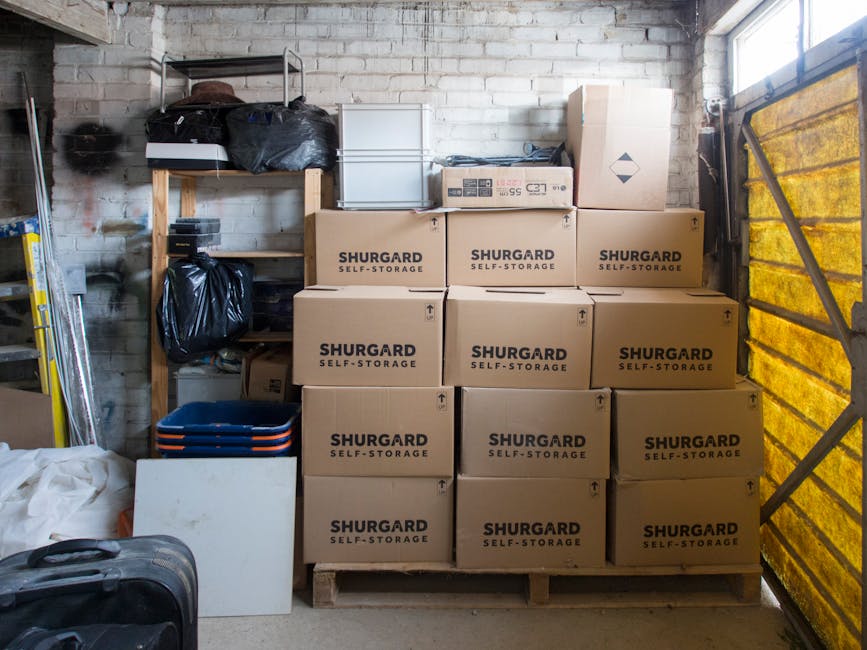
Short term storage near Fortis Green Road for removal jobs

If you are moving house, shifting office furniture, or juggling a delayed completion date, short term storage near Fortis Green Road for removal jobs can be the thing that keeps the whole day from turning into chaos. One minute you are packing boxes by the front door, the next you realise the keys are not ready, the lift is out, or the new place simply is not ready yet. It happens. More often than people admit.
This guide explains how short-term storage works in a removal job, why it matters, and how to use it properly so your move feels calmer, safer, and more organised. Along the way, we will look at practical planning tips, common mistakes, and the kind of service details that make a real difference when you are moving around Fortis Green Road and nearby streets.
Why short term storage near Fortis Green Road for removal jobs matters
At first glance, storage can feel like an optional extra. But in a removal job, it often solves the exact problem that slows everything down: timing. Not every move runs in a neat line from one front door to another. Sometimes there is a gap between leaving one property and entering the next. Sometimes the new home needs decorating, or the office fit-out is not finished. Sometimes you simply do not want every item travelling twice in one day.
That is where short-term storage becomes genuinely useful. Instead of forcing everything into one unpredictable move, you can split the job into sensible stages. The van arrives, the items are loaded safely, and the things you do not need immediately can be kept secure until the handover is ready. That kind of breathing room can reduce stress more than you would expect.
For people moving around Fortis Green Road, the value is also local and practical. Narrow access, parking pressures, busy streets, and building access windows can all make a same-day move awkward. Short-term storage gives you a bit of control back. And when you are already dealing with boxes, paperwork, and the odd missing kettle, control is nice.
Expert summary: short-term storage is most useful when timing, access, or property readiness is uncertain. It is not just about finding somewhere to put things; it is about making the removal job easier to manage from start to finish.
How short term storage near Fortis Green Road for removal jobs works
The process is usually straightforward, but the details matter. In a typical removal-and-storage arrangement, your goods are collected from your property, transported by a moving team, and placed into storage for a short period. After that, they are redelivered when you are ready. Some customers keep items in storage for only a day or two; others need a few weeks. Short-term simply means the storage is temporary, not long-term or open-ended.
In a well-managed removal job, storage should be planned before moving day, not improvised halfway through. That means confirming what will go into storage, which items must stay with you, how they will be labelled, and when they will be needed again. If the team is also handling packing, the process usually becomes smoother because boxes and furniture can be prepared in a more structured way.
You will also want to think about collection and return logistics. Will the items be loaded once and stored immediately? Will there be a same-day redelivery later? Can the storage be accessed if plans change? These questions sound simple, but they are the ones that stop awkward surprises on the day. To be fair, moving day has enough surprises already.
Many people also look at whether their removal team can provide man and van support alongside storage coordination. That can be useful for smaller moves or for split deliveries where only part of the load needs to be stored. For larger homes or offices, people often prefer a broader removal services approach that covers packing, transport, storage, and final delivery in one plan.
Key benefits and practical advantages
There are several real-world benefits to using short-term storage during a removal job. Some are obvious. Others only become obvious once you have lived through a move and thought, "Right, I should have planned that better."
- Flexibility: you are not forced into a perfect one-day move when the property chain or access timing is imperfect.
- Lower pressure on moving day: fewer items need to be delivered immediately, which can make the job feel more manageable.
- Better protection for fragile items: items can be packed, stored, and moved again in a controlled way rather than being rushed.
- Useful for decluttering: if you are staging a home for sale or clearing a room before completion, storage helps you tidy without permanently parting with things.
- More efficient loading: heavy or awkward items can be separated from essentials, which helps the crew work safely.
- Ideal for phased moves: this is especially helpful when a household or office is moving in stages.
There is also a less obvious benefit: short-term storage can reduce decision fatigue. When every item has to be moved, unpacked, and sorted on the same day, you end up making tired decisions. Which box goes where? Do you need that shelf today? Can the printer wait? Storage gives you room to think, which is underrated.
If your move is more complex, it can be useful to compare storage with other support services such as packing and unpacking services or a carefully planned home move. The strongest moves usually combine a few sensible services rather than trying to do everything in one sprint.
Who this is for and when it makes sense
Short-term storage is not just for large moves. In fact, some of the best uses are surprisingly ordinary. If your situation has a gap, a complication, or a timing issue, storage may be the neatest solution.
It often makes sense for:
- homeowners waiting for completion, exchange, or access to a new property
- tenants between tenancies
- people downsizing and sorting what stays, what goes, and what can wait
- families doing renovations before moving furniture back in
- small businesses or offices with staggered move dates
- anyone moving bulky items that are not needed immediately
If you are moving an entire household, storage can be a pressure valve. If you are only moving a few items, it can still be useful, particularly if you have a sofa, bed frame, or wardrobe that would otherwise clutter the new space before you have time to place it properly.
There is also a practical angle for commercial clients. A business may need to keep files, desks, or display furniture off-site while the new premises are being finished. In that case, services such as commercial moves or even office removals can work neatly with short-term storage. No drama, just a cleaner handover.
And yes, sometimes the simplest reason is the best one: you just do not want to live with stacked boxes in the hallway for two weeks. Fair enough.
Step-by-step guidance
Here is a practical way to approach short term storage near Fortis Green Road for removal jobs without making the process harder than it needs to be.
- List what is moving and what is staying. Separate essential items from non-urgent ones. Keep a rough inventory. It does not need to be perfect, but it should be clear.
- Identify the timing gap. Is storage needed for one night, a weekend, or several weeks? That affects how you pack and label things.
- Decide which items need special care. Fragile, valuable, or sentimental items may need extra padding, stronger boxes, or separate handling.
- Confirm access and loading conditions. Stairs, parking space, lift access, and loading times all matter more than people expect.
- Book the removal and storage plan together. One coordinated plan is usually less stressful than juggling separate services at the last minute.
- Label boxes clearly. Write the room name and a short contents note. "Kitchen - pans" is much more useful than "misc."
- Keep a survival box with you. Include chargers, toiletries, medication, snacks, documents, basic cutlery, and a change of clothes. The first night is always easier when you can find your toothbrush.
- Check redelivery timing. Make sure you know when your items can come out of storage and whether delivery windows are flexible.
If the move involves delicate furniture or mixed loads, it can help to use a dedicated vehicle such as a removal van or a moving van that suits the size of the job. The right vehicle means fewer handlings, and fewer handlings usually mean fewer chances for something to knock against a corner or get scratched. Simple, but true.
Expert tips for better results
After enough removal jobs, a few patterns become obvious. The smoothest storage arrangements are not necessarily the biggest or the cheapest; they are the ones that are planned with a bit of common sense.
1. Store by priority, not by room alone. If you know you will need bedding, chargers, and kitchen basics first, keep those easy to reach on delivery. It saves time and reduces panic.
2. Avoid overfilling boxes. Heavy boxes are awkward to lift, harder to stack, and more likely to split. Let's face it, no one enjoys the box that weighs as much as a small dog.
3. Use furniture protection consistently. Wrap corners, secure doors, and use blankets or covers for scratch-prone pieces. A good move is not just about speed; it is about keeping things in the same condition they left in.
4. Photograph valuable items before storage. A quick photo record can help you keep track of condition and contents. It is a small habit, but useful when you are dealing with multiple boxes and similar-looking furniture.
5. Keep documents and essentials with you. IDs, contracts, keys, chargers, and medication should not disappear into storage. That one can bite later.
6. Be realistic about access. If you think you might need something in a hurry, do not bury it at the back of the load. Plan as if you are mildly forgetful, because under moving-day pressure, most people are.
For larger or more specialised jobs, it may also be worth checking a provider's insurance and safety information and their health and safety policy. Those pages tell you a lot about how seriously the business handles your belongings, crew safety, and the practical side of moving heavy items.
Common mistakes to avoid
Most problems with short term storage are avoidable. They usually come from rushing, guessing, or assuming the storage phase will somehow organise itself. It won't.
- Leaving packing to the last minute. Storage works best when items are already prepared and labelled before the van arrives.
- Mixing essentials with non-essentials. If you need something next week, keep it easy to reach.
- Not checking the redelivery plan. A vague "we'll sort it later" can cause a delay when you need things back quickly.
- Using weak boxes. Old boxes can buckle in transit. That is especially awkward with books, crockery, or files.
- Ignoring access issues. Even the best storage plan becomes messy if the street access, parking, or loading time is not thought through.
- Forgetting about humidity or temperature-sensitive items. Some things do not like being stored without proper care. Electronics, paperwork, and soft furnishings need attention.
One of the more common mistakes, oddly enough, is assuming every item should go into storage just because it can. Sometimes it is smarter to move a smaller set of essentials separately and store only the rest. Less stuff in storage can mean a cleaner restart when you arrive.
Tools, resources and recommendations
You do not need fancy equipment to manage a short-term storage move well. But a few basic tools can make a noticeable difference.
- Strong packing tape: for sealing boxes properly, not just pretending they are sealed.
- Marker pens and labels: for clear room-by-room organisation.
- Protective wrapping: for mirrors, artwork, electronics, and furniture edges.
- Inventory list: a simple spreadsheet or handwritten list will do fine.
- Photos on your phone: useful for tracking items and remembering how furniture fits together.
- Colour-coded stickers: a handy way to separate storage, immediate delivery, and priority boxes.
For people who want a fuller support package, it can help to look at removals or removals near me as part of the overall planning process. If you are comparing providers, removal company and removal companies pages can also help you understand what a broader service usually includes.
On the practical side, make sure you also review pricing and quotes and the payment and security information so you understand the commercial side before you commit. Clear pricing is not a luxury. It is the difference between a calm move and a guessing game.
Law, compliance, standards, or best practice
Storage during a removal job touches a few important areas: handling, security, insurance, and data or item protection. The exact legal and contractual details depend on the provider and the job, so it is sensible to read the terms carefully rather than making assumptions.
Best practice usually includes:
- clear written scope for what is being stored
- clear dates for collection and redelivery
- reasonable packaging for fragile or valuable items
- secure handling of goods during loading and transit
- appropriate insurance coverage explained in plain language
- safe lifting and movement procedures for the team
If you are moving business items, compliance can matter even more because records, equipment, and confidential materials may be involved. In those cases, services such as office relocation services or man and van removals may need extra attention to packing, access, and handover procedures.
It is also worth checking the business's policy pages, including terms and conditions and privacy policy, so you know how bookings, data, and responsibilities are handled. Small print matters more than people think. Not exciting, but true.
Options, methods, or comparison table
There are several ways to approach a move that needs temporary storage. The best option depends on how much you are moving, how quickly you need it back, and how much help you want on the day.
| Option | Best for | Pros | Watch-outs |
|---|---|---|---|
| Self-managed storage | Small loads and flexible schedules | More control over access and timing | More lifting, driving, and coordination on your side |
| Removal team with short-term storage | House moves, office moves, and timed handovers | One plan, fewer handovers, less stress | Needs good communication about dates and item lists |
| Phased delivery without storage | Moves where only some items need delaying | Can be simple if access is easy | Less suitable when completion dates are uncertain |
| Full packing plus storage | Busy households or offices with tight timelines | Efficient and organised, especially for fragile loads | Usually needs more planning ahead |
For many people, the most practical route is not the cheapest on paper, but the one that reduces the number of moving parts. One van, one plan, fewer headaches. That tends to win.
Case study or real-world example
Imagine a family moving from a flat near Fortis Green Road into a house that will not be ready for another week. They have a sofa, two beds, a dining table, and a dozen boxes of everyday belongings. They could try to squeeze everything into a friend's garage or stack the new place to the ceiling. But neither option sounds great.
Instead, they arrange short-term storage as part of the move. The removal team loads the furniture, labels the boxes, and stores the non-essential items securely while the family takes only a small essentials set to temporary accommodation. A week later, the stored goods are redelivered after the keys are handed over. The move is still busy, obviously. Moving always is. But it feels organised rather than frantic.
Now compare that with a small office relocation. The business needs desks and archive boxes moved out on Friday, but the new site is not ready until Monday afternoon. Without storage, they would need extra handling or awkward off-site waiting. With short-term storage, the schedule becomes far easier to manage. The team can reopen faster, and staff are not spending Monday morning hunting for monitors and power cables.
The pattern is the same in both cases: storage is not the headline. It is the bridge between two dates that do not quite line up.
Practical checklist
Use this checklist before your removal job starts:
- Decide what needs to go into short-term storage and what must stay with you.
- Confirm the storage period, even if it is only for a few days.
- Label every box clearly with room and contents.
- Protect fragile items with proper wrapping.
- Keep essentials, documents, keys, and medication separate.
- Check access, parking, lift availability, and any time restrictions.
- Review insurance and safety details before the move.
- Ask how redelivery will work and when it can happen.
- Prepare a survival box for the first night or first day.
- Make sure everyone involved knows the plan. Seriously, everyone.
That last point sounds obvious, but it saves a lot of confusion. One family member saying "put the box by the window" and another saying "no, that one is going into storage" is how small delays become annoying ones.
Conclusion
Short term storage near Fortis Green Road for removal jobs is a practical, flexible way to handle the messy in-between parts of moving. It helps when dates do not line up, when access is tight, when you need time to sort things properly, or when you simply want the move to feel less overwhelming. The real value is not just space. It is breathing room.
Used well, short-term storage can make a removal job safer, tidier, and much easier to live through. Used badly, it can become another layer of stress. So the best approach is simple: plan early, label clearly, keep essentials separate, and choose a service setup that matches the actual move, not the ideal version of it.
If you are still deciding how to structure your move, take a calm look at the options, compare the service pages that fit your situation, and build the plan around timing first. That usually leads to the smoothest result.
Get a free quote today and see how much you can save.
And if nothing else, remember this: a good move is not the one that looks perfect on paper. It is the one that gets you home, settled, and able to make a cup of tea without searching three storage boxes for the kettle.
Frequently Asked Questions
What does short term storage mean in a removal job?
It means your belongings are stored temporarily during a move, usually for a few days to a few weeks, until your new place is ready or your access date lines up.
Is short term storage near Fortis Green Road useful for house moves?
Yes. It is especially helpful if you are waiting on completion, working around access issues, or moving in stages. It can make a house removal feel much more manageable.
Can I store only part of my items?
Absolutely. Many people store only furniture, seasonal items, or non-urgent boxes while keeping essentials with them. Partial storage is often the smartest option.
How do I prepare furniture for short-term storage?
Clean it, dry it, wrap it properly, and protect corners or glass surfaces. If possible, dismantle bulky items and keep fixings in labelled bags.
Is short term storage suitable for office moves?
Yes, especially if the new office is not ready yet or the move has to happen in phases. It works well alongside office removals and other business relocation support.
How far in advance should I book storage for a removal job?
As early as you can. The more complex the move, the sooner you should plan it. That gives you time to sort access, packing, and delivery dates without rushing.
Do I need to label every box?
Yes, ideally. Clear labels make loading, storage, and redelivery much smoother. It also helps if you need to find something quickly after the move.
What items should not be put into storage?
Anything fragile, valuable, temperature-sensitive, or essential should be considered carefully. Some items are better kept with you, especially documents, medication, and daily-use electronics.
How do I choose between a removal van and a larger vehicle?
It depends on the size of the job, the number of items, and the access at both properties. A smaller move may suit a removals van, while larger loads may need a bigger vehicle.
What should I check before agreeing to storage terms?
Look at the storage period, redelivery timing, insurance details, handling responsibilities, and any conditions that affect access or liability. Reading the terms and conditions is never thrilling, but it helps.
Can short-term storage reduce moving-day stress?
Very much so. It lets you split the move into manageable parts and avoid forcing everything into one exhausting day. That alone can make a huge difference.
Who should I contact if I want a quote or more information?
You can review the company's service and pricing pages first, then reach out through the relevant contact route on the website. If you are comparing options, start with pricing and quotes and the main removals information so you can plan properly.