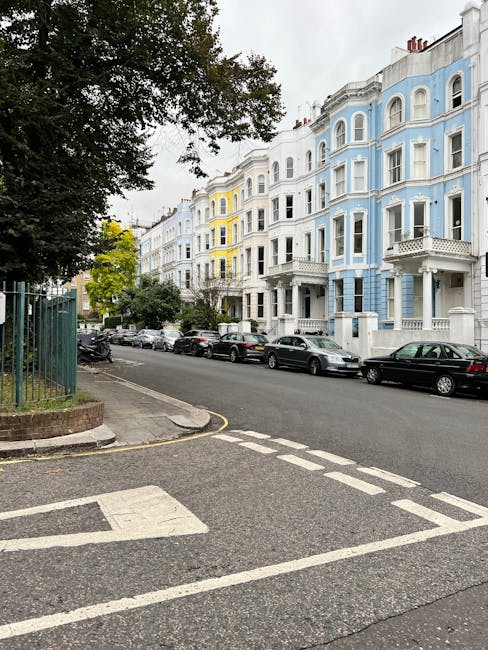
Street closure rules for bulky moves in Fortis Green
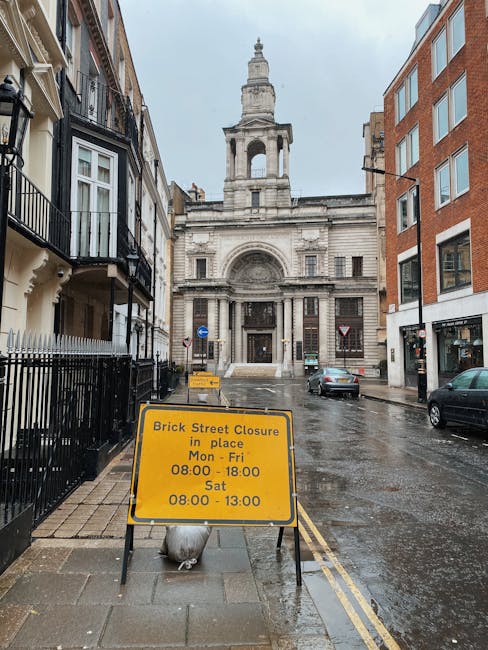
If you are planning a bulky move in Fortis Green, the street itself can become the biggest moving-day complication. A sofa, wardrobe, piano, or office cabinet does not just appear and disappear neatly. It needs space, time, and a safe place for the van to stop. That is exactly where street closure rules for bulky moves in Fortis Green come into play. Get them wrong and you can end up with delays, annoyed neighbours, or a van circling the block while everyone stands around with a heavy item and a growing sense of regret. Not ideal, frankly.
This guide explains how street closures usually work in practice, why they matter for larger removals, and how to plan a move that feels calm rather than chaotic. You will also find a checklist, a practical comparison table, and a straightforward FAQ section so you can make sensible decisions without second-guessing every detail.
Why Street closure rules for bulky moves in Fortis Green Matters
Fortis Green sits in a part of London where road space is precious and movement can be tight. That matters more than people expect when they are moving large furniture or multiple bulky items. A move that looks simple on paper can quickly become awkward if there is no proper loading space, if traffic is heavy, or if a narrow residential road leaves no room for a van door to open safely.
Street closure rules are not just about red tape. They are about protecting access, avoiding conflict with neighbours, and making sure the removals team can work without blocking emergency access or creating unsafe loading conditions. For bulky moves, every extra metre counts. A clear stretch of road can save time, reduce lifting distance, and lower the risk of damage to the item, the property, and the people doing the carrying.
There is also a practical point that gets overlooked: if you are moving on a Saturday morning or during school-run traffic, the street can feel busier than expected even if it looks quiet at first glance. The sound of engines, parked cars being squeezed into gaps, and a trolley wheel catching on a dropped kerb - those small things matter. They turn a straightforward job into a slow one.
Key takeaway: the more awkward the item, the more important the street setup becomes. A properly planned closure or loading arrangement can be the difference between a smooth move and a long, stressful one.
How Street closure rules for bulky moves in Fortis Green Works
In plain English, street closure rules determine whether a section of road can be temporarily restricted so moving vehicles and loading activity can happen safely. For bulky moves, this may mean reserving space outside the property, arranging temporary traffic control, or making sure the vehicle can stop legally and without obstructing other road users.
The exact process depends on the street, the size of the move, and local requirements. In many cases, you should think in terms of permissions, notice, and safe working space rather than assuming you can simply turn up and block the road. That assumption is where problems start.
For a bulky domestic move, the practical steps often include:
- checking whether the van can park close enough to the property without causing an obstruction;
- assessing whether the item can be carried safely through the front of the property or whether a rear access route is better;
- identifying whether cones, signage, marshals, or temporary holding space are needed;
- allowing enough time for loading, especially if the item is heavy, fragile, or difficult to manoeuvre;
- making sure any permission or advance notice is in place before moving day.
For many households, the most sensible approach is to use a removals team that knows how to work around local access issues. A good man with van setup can handle smaller bulky items efficiently, while larger or more complex moves may benefit from a broader removal services approach with more crew support and a suitable vehicle.
One small but useful reality check: street closure arrangements are often less about the paperwork itself and more about whether the plan actually fits the street. A closure that looks fine in theory can still be a poor fit if there is a tight corner, a busier junction nearby, or several parked cars that never seem to move. London likes to keep you on your toes like that.
Key Benefits and Practical Advantages
When the street setup is handled properly, the move becomes noticeably easier. You spend less time waiting, less time carrying items further than necessary, and less time worrying about whether someone is going to complain because the van is half-on the kerb.
- Safer handling: shorter carrying distances reduce the chance of dropped items, back strain, and awkward turns on the pavement.
- Faster loading: a van parked close to the entrance makes bulky items much quicker to move.
- Less disruption: planning access in advance helps avoid unnecessary obstruction and frustration for neighbours.
- Better protection for items: furniture, appliances, and large boxes are less likely to be scratched or bumped when the route is efficient.
- More accurate scheduling: when access is planned properly, the move is easier to quote and easier to complete on time.
There is a commercial side too. If you are comparing options, a team that understands loading access and traffic restrictions is usually more reliable than one that simply quotes a vehicle size and hopes for the best. That difference can matter a lot on a narrow street in Fortis Green, where a few minutes of poor planning can cascade into an hour of avoidable delay.
For bigger household moves, it can also make sense to look at home moves or specialist house removals support if you want the street logistics handled alongside packing, lifting, and transport.
Who This Is For and When It Makes Sense
Street closure planning is not only for huge office relocations. In Fortis Green, it can be relevant for all sorts of everyday moves that involve large or awkward items.
- Home movers: if you have a large sofa, dining table, wardrobe, piano, or multiple heavy appliances.
- Landlords and tenants: especially where end-of-tenancy timing is tight and the street is already busy.
- Families: moving between homes with lots of furniture and not much driveway space.
- Small businesses: relocating stock, desks, filing cabinets, or display fixtures.
- Anyone on a narrow road: because the narrower the access, the more important the plan.
It makes sense when the item is too bulky to carry from a remote parking point without causing delays, or when the property layout means a van needs direct access. It also makes sense if you know parking is usually competitive on your road. In that case, the move is often smoother with an approach similar to man and van removals or a more structured removal company service, depending on volume.
Truth be told, many people only realise they need proper street planning once they are standing in the doorway with a bed base and nowhere sensible for the van. Better to sort it earlier.
Step-by-Step Guidance
If you want a move that feels controlled, follow a simple process. No need for drama. Just a tidy sequence that covers the basics.
- List every bulky item. Include large furniture, white goods, mirrors, bikes, and anything awkwardly shaped.
- Check the access route. Measure doorways, stair turns, pavement space, and the distance from the property to the likely parking point.
- Assess the street. Look at parking pressure, road width, turning space, and whether there are usual pinch points such as bends or schools nearby.
- Decide whether a closure or managed loading space is needed. If the van cannot safely stop close enough, ask whether a temporary restriction or alternate arrangement is appropriate.
- Confirm timing. Morning moves may be easier in some streets, while others are calmer later in the day. Think about local traffic patterns.
- Book the right moving support. For modest bulky loads, a man with van removal arrangement may be enough. For more demanding jobs, consider a fuller removal services package.
- Prepare the property. Clear hallways, protect floors, and make sure the bulky item can be moved in one clean route if possible.
- Leave contingency time. Even the best-planned move can hit a parked car, a delayed arrival, or a last-minute access issue.
A tiny detail that helps more than people expect: mark the items that must go first. If the large sofa is blocking the hallway, that needs to be out before the smaller boxes. Obvious? Maybe. Yet it gets forgotten all the time.
If you need packing support as part of the move, it can be worth pairing access planning with packing and unpacking services so the route stays clear and the lifting order makes sense.
Expert Tips for Better Results
Here is the part that usually saves people the most stress. These are not grand secrets, just the little decisions that make the day run smoother.
- Measure the item, not just the room. A wardrobe can look fine in a hallway until you try to turn it. Measure the awkward points, not just the widest face.
- Plan for the van door swing. Parking too close to a wall, hedge, or tight kerb can make loading slower than expected.
- Protect neighbours from avoidable disruption. A quick heads-up about timing can prevent a complaint before it starts.
- Keep the path clear. A single pair of shoes, a recycling box, or a folded buggy can slow everything down when the item is heavy.
- Use the right vehicle size. A van that is too small leads to extra trips; one that is too large can be awkward to position in a narrow street.
- Confirm parking and access assumptions early. Never assume that a space will be free just because it was free yesterday morning.
In our experience, the best moving days are the boring ones. No surprises, no scrambling, no standing in the rain waiting for someone to find a space. A bit dull, perhaps. But beautifully dull.
If your move involves valuable or fragile furniture, reviewing insurance and safety information before the day can also give you peace of mind.
Common Mistakes to Avoid
The same errors crop up again and again, and they are nearly always avoidable.
- Leaving access planning until the day before. That is usually too late, especially if a street arrangement needs advance action.
- Underestimating loading time. Bulky items often take longer than expected, especially on stairs or tight turns.
- Forgetting about permit or notice requirements. Even when a full closure is not needed, some streets still need careful management.
- Choosing the wrong vehicle size. Too small means multiple runs; too large can create access headaches.
- Ignoring neighbour parking pressure. A street can look open at 8am and completely full by 9am.
- Not protecting the route inside the property. Damage often happens indoors, not on the pavement.
Let's face it, most moving mistakes are not dramatic. They are small planning oversights that stack up. Miss one, then another, and suddenly the whole day feels heavier than the sofa.
Tools, Resources and Recommendations
You do not need a toolkit full of specialist gear, but a few practical items make a real difference:
- measuring tape for furniture, doorways, and parking gaps;
- moving blankets and straps to protect bulky items in transit;
- cones or clear markers if an access point has been arranged and needs to remain visible;
- floor protection for hallways and thresholds;
- boxes or labels so smaller items do not block the route for larger ones.
For organised residential moves, many people prefer a service that combines transport and loading support. That is where man and van support can be useful for smaller jobs, while larger relocations may be better handled through house movers or house removalists.
If the move is commercial rather than domestic, commercial moves and office removals are usually better aligned with the extra planning, access coordination, and timing discipline that street-controlled loading often needs.
Law, Compliance, Standards, or Best Practice
This topic touches access, public-road use, and safety, so careful planning matters. In the UK, road and parking arrangements are usually governed by local authority rules and general highway safety expectations. The exact position can vary, so it is sensible to treat every street as its own case rather than assuming one setup fits all.
Best practice normally includes:
- keeping the highway clear enough for safe passage where possible;
- avoiding obstruction of driveways, crossings, and emergency access;
- making sure loading is supervised when vehicles or equipment are positioned close to pedestrians;
- using safe lifting methods for bulky items;
- checking insurance cover and operational safety measures before the move.
Where a formal closure or temporary restriction is required, the exact process should be checked with the relevant local authority or the moving provider coordinating the work. Since requirements can change and streets differ so much, it is better to confirm than guess. Guessing is expensive. And annoying.
For readers who want a provider-led approach, reviewing a company's health and safety policy and terms and conditions can help you understand how they manage access, responsibility, and service limits.
Options, Methods, or Comparison Table
Different moves need different access solutions. Here is a simple comparison to help you think it through.
| Method | Best for | Pros | Watch-outs |
|---|---|---|---|
| No street management | Very small moves with easy parking | Simple, quick, low effort | Can fail fast if parking disappears or access is tighter than expected |
| Managed loading space | Most bulky domestic moves | Good balance of practicality and flexibility | Still needs timing discipline and clear communication |
| Temporary closure or restriction | Large, awkward, or high-volume moves in narrow streets | Best control over access and safety | More planning, more coordination, and usually more lead time |
| Full-service removal support | Complex home or business relocations | Less stress, more structure, better handling of difficult items | May cost more than a basic man-and-van option |
As a rule of thumb, if you have more than one bulky item, narrow access, and limited parking, you are already moving into the "plan it properly" category. If you have all three, do not wing it.
If you are still comparing service levels, you may also want to look at removals, removals near me, or removal company options depending on how much help you need.
Case Study or Real-World Example
Imagine a family moving from a terraced property on a fairly narrow Fortis Green road. They have a large corner sofa, two wardrobes, a washing machine, and several packed boxes. The front parking is limited, and there is no driveway. On moving day, the street is already half full by mid-morning.
Without any access planning, the van would probably end up parked too far away, which means longer carries, more handling risk, and a lot of time spent waiting for a gap to open. Instead, the family maps the loading route in advance, clears the hallway the night before, and books a team that understands how to work with tight road space. They also make sure the bulky items are first out of the property, not buried behind smaller boxes.
The result is not flashy. No drama. Just a move that starts on time and finishes without someone muttering about a blocked pavement or a scratched wall. That is a win, even if it sounds mundane.
For a move of that sort, a vehicle-led service such as moving van support can be a sensible fit, while larger-scale jobs may be better matched to moving truck support where access, load size, and crew needs are greater.
Practical Checklist
Use this checklist the week before the move. It keeps the day tidy, which is what you want when the sofa is wider than the hallway.
- List all bulky items and note their sizes.
- Check stair turns, front door width, and any tight corners.
- Confirm where the van can stop legally and safely.
- Decide whether a street closure or managed loading space is needed.
- Tell neighbours if disruption is likely.
- Protect floors, doors, and walls inside the property.
- Book the right moving service level for the load.
- Label items that should be loaded first.
- Keep keys, paperwork, and contact numbers easy to reach.
- Build in buffer time for delays and access changes.
If you are moving recyclable or unwanted items as part of the same process, it can help to separate them early and look at recycling and sustainability so disposal is not mixed up with the main move.
Get a free quote today and see how much you can save.
Conclusion
Street closure rules for bulky moves in Fortis Green are really about making the move workable. They help you protect access, reduce risk, and avoid last-minute chaos when a large item needs space that the street may not naturally give you. The more awkward the item and the tighter the road, the more valuable that planning becomes.
Keep the approach simple: assess access early, choose the right level of support, confirm any parking or closure needs, and leave a bit of breathing room in the schedule. That is usually enough to turn a stressful day into a manageable one.
If you want the move handled with care and common sense, start with a provider that understands local access challenges and treats planning as part of the service, not an afterthought. Small details matter. They really do.
Frequently Asked Questions
Do I always need a street closure for a bulky move in Fortis Green?
No. Many bulky moves only need a sensible loading arrangement or a clear parking space near the property. A full closure is usually only considered when access is very tight, the item is especially large, or the street layout makes loading unsafe without extra control.
How far in advance should I plan access for a large move?
As early as you can. A few days might be enough for a straightforward move, but narrow streets, multiple bulky items, or busy roads may need more planning time. If a formal arrangement is needed, leaving it late can make the day much harder than it needs to be.
What counts as a bulky item?
Usually anything large, heavy, awkward, or difficult to carry safely without help. Sofas, wardrobes, beds, fridge-freezers, pianos, and large office furniture are common examples. In practice, an item is bulky if it changes the access plan rather than simply fitting in a box.
Can a removal van wait on the street while loading takes place?
Sometimes, yes, but only if it is parked safely and legally and does not obstruct traffic or access. Whether that works depends on the road, the time of day, and how long the loading will take. If waiting space is limited, a more structured plan may be better.
What if parking is impossible outside the property?
Then you may need an alternative loading point, a managed access plan, or a different vehicle strategy. This is where experienced movers are worth their weight in tea bags. They will usually spot the issue before moving day and suggest a better route.
Are bulky moves more expensive because of street restrictions?
They can be, depending on the extra time, equipment, crew support, and planning involved. Not every access issue increases the price, but more complex loading conditions usually mean more work. It is best to ask for a quote based on the actual access conditions, not just the number of items.
Should I tell my neighbours about the move?
It is often a good idea, especially if the street is narrow or parking is already tight. A simple heads-up can reduce complaints and make everyone a bit more forgiving if the van is outside for longer than usual.
What is the biggest mistake people make with bulky moves?
Underestimating access. People often focus on the item itself and forget the route to the van. The stairs, kerb, pavement, and parking gap can matter just as much as the sofa or wardrobe.
Is a man and van service enough for a bulky move?
It depends on the size of the load and the access conditions. A smaller bulky move may suit a man with a van or man and van removals setup, while larger or more difficult moves often need fuller removal support.
What should I check before I book?
Check the vehicle size, access requirements, timing, insurance, safety approach, and whether the provider has experience with tight residential streets. It is also sensible to read the service terms carefully so there are no surprises later.
Can I combine bulky item removal with furniture disposal?
Yes, if the provider offers it and if the items are suitable for separate handling. A combined plan can save time, but it is best to separate anything you intend to keep from anything you want collected or disposed of. A mixed pile can become a muddle very quickly.
What is the safest way to handle a move on a busy road?
Reduce the number of trips, keep the walking route short, use enough people for heavier items, and make sure the vehicle is positioned safely. If the street is especially busy, a managed loading arrangement or alternative timing can make the whole process much safer.