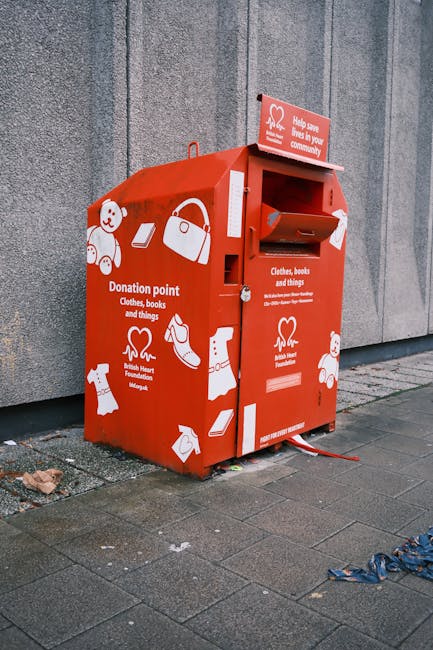
Where to drop donations after a Muswell Hill Broadway clear out
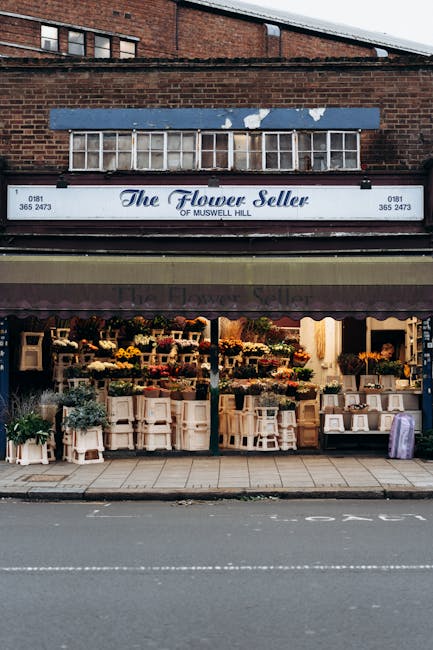
If you've just finished a clear out on or around Muswell Hill Broadway, the next question is usually a practical one: where do the good items go now? The answer is not always as simple as "take it to charity." You want somewhere that accepts the right items, is easy to reach, and will actually put donations to use. That matters even more if you're dealing with boxes after a busy flat clearance, a loft sort-out, or the sort of pre-move declutter that somehow turns into a whole-day job.
This guide breaks down where to drop donations after a Muswell Hill Broadway clear out, what to check before you go, how to avoid common donation mistakes, and how to make the process feel less chaotic. It's written for real-life clearing out in N10, where parking can be awkward, bags get heavy faster than you expect, and the "I'll just deal with it later" pile somehow grows legs.
Why Where to drop donations after a Muswell Hill Broadway clear out Matters
A clear out feels great until you're left standing beside three bags of clothing, a lamp that still works, a stack of books, and a sofa cushion you forgot existed. Then the question becomes more than logistical. It becomes about responsibility, convenience, and making sure usable things don't end up in the wrong place.
In a local area like Muswell Hill Broadway, the way you donate matters because streets can be busy, storage space is limited, and you may be clearing out under time pressure. If you're moving, downsizing, handling a tenancy end, or simply trying to get a home back under control, donation drop-off can be the clean middle ground between keeping everything and throwing everything away. Truth be told, that middle ground is often where the best decisions live.
It also matters because not every donation point takes the same things. One place may be ideal for clean clothing, another for furniture, another for household items. Drop the wrong thing, and you create extra work for staff or volunteers. Worse, you may have to take it back home again. Nobody wants that, especially not after wrestling a wardrobe down a staircase at 7:30 in the morning.
There is also a trust angle here. When you donate, you usually want confidence that the item will be reused, sold for good causes, or passed on responsibly. Choosing the right drop-off point is part of that. The donation is the easy bit; choosing the right destination is where the judgment comes in.
How Where to drop donations after a Muswell Hill Broadway clear out Works
The process is straightforward once you break it down. First, separate the items you genuinely no longer need from anything that is damaged, unsafe, or too worn out to reuse. Next, match those items to the type of place most likely to accept them. Then, check opening times, size limits, and condition requirements before you leave the house.
In practice, a donation drop-off after a clear out usually falls into one of a few categories:
- Charity shops for clothing, books, homeware, and small items in good condition.
- Furniture or collection-focused charities for larger items that are still usable.
- Reuse or recycling facilities for items that may not suit a shop floor but can still be diverted from waste where accepted.
- Community groups or local donation points for specific needs such as household basics or seasonal items.
What you'll notice very quickly is that preparation matters more than people expect. Clean items move faster. Sorted boxes are easier to hand over. A bag of mixed household odds and ends, to be fair, is a headache for everyone involved. If you've ever done a clear out in a rush, you know exactly how easy it is to create the "miscellaneous mystery bag" nobody asked for.
For larger clear-outs, it can help to think in layers: donate what can be reused, recycle what should be recycled, and dispose of only the true waste. That approach keeps the process calmer and usually saves time later.
Key Benefits and Practical Advantages
Donation drop-off is not just the nice thing to do. It's practical. After a Muswell Hill Broadway clear out, it gives you a fast way to reduce clutter without sending everything to landfill or clogging your hallway for another week.
Here are the main benefits people tend to care about:
- Faster clearing: One decision made now can remove several bags or boxes from your home in one go.
- Better reuse: Good-quality items can carry on being useful somewhere else.
- Less waste: A careful sort can reduce what ends up as general rubbish.
- More usable space: The room looks clearer almost immediately. That visible win matters.
- Lower stress: A tidy plan beats a last-minute scramble, especially if you're on a moving deadline.
There's also a psychological benefit. Small wins stack up. You carry out two boxes of books, then a bag of clothes, then a lamp and a mirror, and suddenly the room starts to breathe again. It sounds simple because it is simple, but that doesn't make it trivial.
If you're trying to get a home ready for sale, tenancy handover, or a downsizing move, donation drop-off can be part of a broader decluttering plan. Pairing it with smart decluttering and organised packing makes the whole job feel more manageable, less like a panic project at the end of the day.
Who This Is For and When It Makes Sense
This approach suits anyone who has items in usable condition and wants them to leave the property responsibly. But it is especially useful in a few real-world situations.
- Home movers: If you are moving and don't want to transport things you no longer use.
- Tenants ending a lease: A clean, simplified flat can make handover easier.
- Families downsizing: When you're moving to a smaller place, not everything will fit or make sense anymore.
- People clearing inherited property: There can be a lot of sorting, and donation can soften the process.
- Busy professionals: If you've got a weekend window and just want the clutter gone, fast.
It also makes sense when the items are too good to bin but not worth storing "just in case." We've all got that box. The one with cables, an old toaster, a bundle of picture frames, and some curtains from a previous life. Donation is often the best exit ramp for that sort of thing.
If the job is larger than a few bags, combining donation decisions with a proper removal plan can save a lot of backtracking. Services such as removals or a flexible man and van arrangement can help when the clear out is tied to moving day, rather than being a standalone task.
Step-by-Step Guidance
Here's a simple process that works well for most people after a Muswell Hill Broadway clear out.
- Sort by condition. Separate clean, reusable items from damaged, broken, or heavily worn ones.
- Group by category. Keep clothing, books, small electricals, kitchenware, and furniture apart where possible.
- Check acceptance rules. Some places are stricter than others. One accepts books happily; another may not want them at all.
- Clean and bag items properly. Wipe surfaces, fold clothing, and use sturdy bags or boxes.
- Measure larger items. Don't guess if a chair, table, or chest of drawers will fit through a doorway or into a vehicle.
- Plan your route. Muswell Hill can be awkward at busy times. Choose a slot that keeps the trip simple.
- Drop off or arrange collection. Take the items yourself if it is manageable, or book a collection method if the load is bigger.
A small but useful habit: keep a "donate" box in one corner while you clear out. That way, you're not mixing donation-ready items with rubbish, and you won't have to re-sort everything at the end. It sounds obvious. It still gets missed all the time.
If your clear out has grown into a bigger move, a vehicle sized appropriately for the load helps a lot. The wrong van choice can turn a tidy plan into two very long trips. A sensible option is to compare the scale of the job with the kind of vehicle you'll need, rather than assuming "one van is one van."
Expert Tips for Better Results
Little adjustments can make the donation process much smoother. These are the practical habits that tend to save people the most time.
- Don't donate out of politeness. If something is stained, broken, incomplete, or unsafe, it probably isn't a donation item.
- Think in layers. Donate first, recycle second, bin last. That order usually works best.
- Bundle items sensibly. Keep a set of glassware together, a bag of books together, clothes together, and so on.
- Use strong bags and boxes. Flimsy packaging creates spills, damage, and quite a bit of swearing under your breath.
- Keep paperwork and receipts where relevant. If you're tracking donations for your own records, keep it neat from the start.
- Time the drop-off. Avoid peak traffic if you can; even a 20-minute difference can make life easier.
One practical insight: the best donation trips are the ones that happen at the end of the sorting stage, not three days later. Once the items are boxed, labelled, and ready, move them on. Momentum matters. It's a boring truth, but it's true.
If you need help moving bulky pieces before donation, a local furniture collection or furniture pick-up option can spare you the stairwell struggle. That can be especially helpful with wardrobes, sideboards, or anything awkwardly shaped that you promised yourself was "not that heavy." Famous last words, really.
Common Mistakes to Avoid
Most problems after a clear out happen because people rush the final step. A few easy-to-avoid mistakes come up again and again.
- Turning donations into a mixed waste bag. Charity and reuse points are not skip substitutes.
- Skipping checks on opening times. Nothing kills the mood like arriving with a boot full of bags and finding the place shut.
- Assuming all furniture is accepted. Some items are too large, too damaged, or not suitable for resale.
- Dropping off dirty items. A quick clean can make the difference between accepted and declined.
- Leaving sorting until the last minute. That's how useful items get thrown away by mistake.
- Overloading yourself. Two trips with safe lifting are better than one dramatic one. Your back is not a hero.
Another subtle mistake is treating "donation" as a single category. It isn't. Clothes, books, soft furnishings, and furniture all have different expectations. The more carefully you separate things, the more likely they are to be accepted quickly.
Tools, Resources and Recommendations
You don't need a huge kit to handle donation drop-off well, but a few basics help.
- Sturdy bags or boxes: Useful for keeping categories separate and easy to carry.
- Marker pen and labels: Handy if multiple people are sorting items or if you're staging donations over a few days.
- Measuring tape: Especially useful for furniture or larger household items.
- Cleaning cloths: A quick wipe-down can make items donation-ready fast.
- Gloves: Worth having if you're sorting dusty loft items or handling storage pieces.
For broader support, it can help to think about the clear out in the same way you'd think about a move: keep essentials, remove clutter, protect reusable items, and plan the logistics before you lift a thing. Pages like packing and unpacking services can also be helpful if the donation sort is part of a bigger home transition.
And if you're trying to keep costs sensible, it's sensible to look at pricing and quotes early rather than leaving the transport side until the last minute. Not glamorous, perhaps, but it avoids guesswork.
Law, Compliance, Standards, or Best Practice
Donation drop-off is usually a straightforward domestic task, but a few best-practice points are worth keeping in mind. In the UK, the main practical concern is making sure items are safe, legally shareable, and suitable for reuse. That means no broken glassware with sharp edges, no items with hidden damage, and no electrical goods you suspect are unsafe.
If you are donating furniture or appliances, it is wise to be honest about condition. A charity or reuse operator may decline something if it cannot be resold or safely passed on. That's normal. It's not a rejection of your generosity; it's just how responsible reuse works.
For upholstered or large household items, common-sense checks matter too. Look for smoke damage, heavy staining, missing parts, infestations, or structural failure. If something is not fit for another home, it belongs in the appropriate disposal stream rather than a donation pile.
There is also a duty of care on the person making the donation to avoid passing on items that could create a safety problem. That doesn't mean being overly cautious to the point of nonsense. It simply means pausing long enough to ask, "Would I want this in my own home?" If the answer is no, that's useful information.
For businesses or larger-scale clearances, documentation and responsible handling become even more important. In those situations, using a properly organised removal provider can help keep the process tidy and professional. If sustainability is a priority, you may also want to review recycling and sustainability practices alongside donation planning.
Options, Methods, or Comparison Table
Not every clear out needs the same solution. The right approach depends on how much you have, what condition it's in, and how much time you've got. Here's a simple comparison to help.
| Option | Best for | Pros | Things to watch |
|---|---|---|---|
| Charity shop drop-off | Clothing, books, homeware, small goods | Simple, familiar, usually quick | Limited space, item condition rules, opening hours |
| Furniture-focused donation | Usable sofas, tables, beds, storage pieces | Good for larger items and home clearances | Collection windows, size and condition checks |
| Community donation point | Household basics and practical items | Supports local need directly | Specific item requests may change often |
| Removal-assisted donation | Bigger clear outs or awkward furniture | Less lifting, faster logistics | Plan timing and transport in advance |
If you are working around a full property clearance, the best route is often a mix. Keep the good reusable items aside, pass the rest through an appropriate transport option, and only discard what truly has no second life left. It sounds tidy because it is tidy.
Case Study or Real-World Example
Picture a typical Muswell Hill Broadway clear out: a two-bedroom flat, one busy weekend, and a growing pile of items by the front door. There are six bags of clothes, a small bookcase, a couple of kitchen boxes, and a chair that still has life in it but no longer fits the new layout. Nothing dramatic. Just enough to feel a bit overwhelming.
Rather than leave everything for "later," the occupants sorted the items into three groups the same day: donate, recycle, and dispose. The books were boxed separately, clothes were bagged cleanly, and the chair was measured before anyone promised it would fit in the car. That saved a lot of back-and-forth. They also checked transport before loading, which meant no awkward, half-finished second trip after dark.
What made the biggest difference? Not the size of the clear out. The decision-making. Once they stopped treating every item as a separate problem and started grouping by destination, the whole job got easier. You can almost feel the stress drop a notch when that happens.
In our experience, that is often the real turning point with clear-outs: the moment the pile stops being "stuff" and becomes a set of practical tasks. Small change, big relief.
Practical Checklist
Use this before you head out with donations after a Muswell Hill Broadway clear out.
- Have I sorted reusable items away from waste?
- Are the items clean and in good enough condition to donate?
- Have I checked what the chosen donation point accepts?
- Do I know the opening hours or collection window?
- Are boxes and bags strong enough for transport?
- Have I measured any bulky items?
- Do I need help lifting or moving anything heavy?
- Have I separated books, clothes, furniture, and household goods properly?
- Is there anything that should be recycled instead of donated?
- Have I planned how I'll get there without adding stress to the day?
If you can tick most of those off, you're in good shape. The point is not perfection. It's avoiding preventable hassle.
Get a free quote today and see how much you can save.
Conclusion
Deciding where to drop donations after a Muswell Hill Broadway clear out is really about making a good job even better. You reduce clutter, help useful items stay in circulation, and make the whole clear-out feel more purposeful. It's one of those jobs that pays off twice: once in space, and once in peace of mind.
If you plan it properly, donation drop-off becomes less of a chore and more of a clean ending to the clearing process. Sort carefully, choose the right destination, and don't overcomplicate it. That's usually enough. And once the bags are gone and the room opens up again, you'll notice the quiet. Nice quiet, that is.
When you're ready to turn a messy clear out into a smoother, more manageable process, take the practical route and keep going one step at a time. It does come together.
Frequently Asked Questions
Where can I drop off donations after a Muswell Hill Broadway clear out?
Usually at a suitable charity shop, donation point, or furniture-focused collection service, depending on what you have. The key is matching the item type to the right destination.
What items are best to donate after a clear out?
Clean clothing, books, small homeware, toys in good condition, and usable furniture are often good candidates. Anything damaged, unsafe, or heavily worn is usually not suitable.
Can I donate furniture from a flat near Muswell Hill Broadway?
Yes, if it is in usable condition and the recipient accepts that type of item. Larger pieces may need measuring first, and some places will arrange collection instead of drop-off.
Should I clean items before donating them?
Yes, a quick clean is one of the easiest ways to improve the chance of acceptance. Clean items are easier to handle, store, and pass on.
What should I do with items that are not good enough to donate?
Separate them into recycling or waste, depending on what they are. Don't mix broken items into donation bags just to save time.
How do I know if a donation point will accept my items?
Check the item categories they accept before you go. This saves a wasted trip and helps you sort things more accurately at home.
Is it better to drop donations off myself or book collection?
That depends on volume and weight. Small loads are usually easy to drop off yourself, while larger or bulky items are often easier to manage with collection or transport support.
Can I donate electrical items after a clear out?
Sometimes, yes, but only if they are safe and accepted by the destination. If you are unsure about condition or functionality, it is safer to avoid donating them.
What is the easiest way to organise donations during a big clear out?
Set up separate boxes or bags for donate, recycle, and dispose from the start. That one step can save hours later, honestly.
Do charity shops accept everything I want to get rid of?
No. Different places have different rules, and some items will be turned away. It is always better to check first than to assume.
Can I combine donation drop-off with a house move?
Absolutely. In fact, many people do. It is often easier to remove donation items while you are already sorting, packing, and clearing space for the move.
What is the main mistake people make after a Muswell Hill Broadway clear out?
The biggest mistake is leaving donation decisions until the last minute. Once the deadline gets close, useful items are more likely to be binned by accident.